Skip to content
Quantix Security Labs

Stop 10 · Research

Research hub

Long-form research across nine areas, from vault share-price manipulation to zero-knowledge circuit soundness, with diagrams, code, recommendations and bibliographies.

On this stop

  • Search the hub or filter by research area.
  • Each article has a table of contents, related reading and references.
Open the Research Hub

Press / to search from anywhere on the page, Esc to clear.

Research area
Kind of publication

Showing 19 of 19 publications.

  • Technical analysisThreat Intelligence8 min read

    Detecting suspicious on-chain behaviour before the exploit transaction

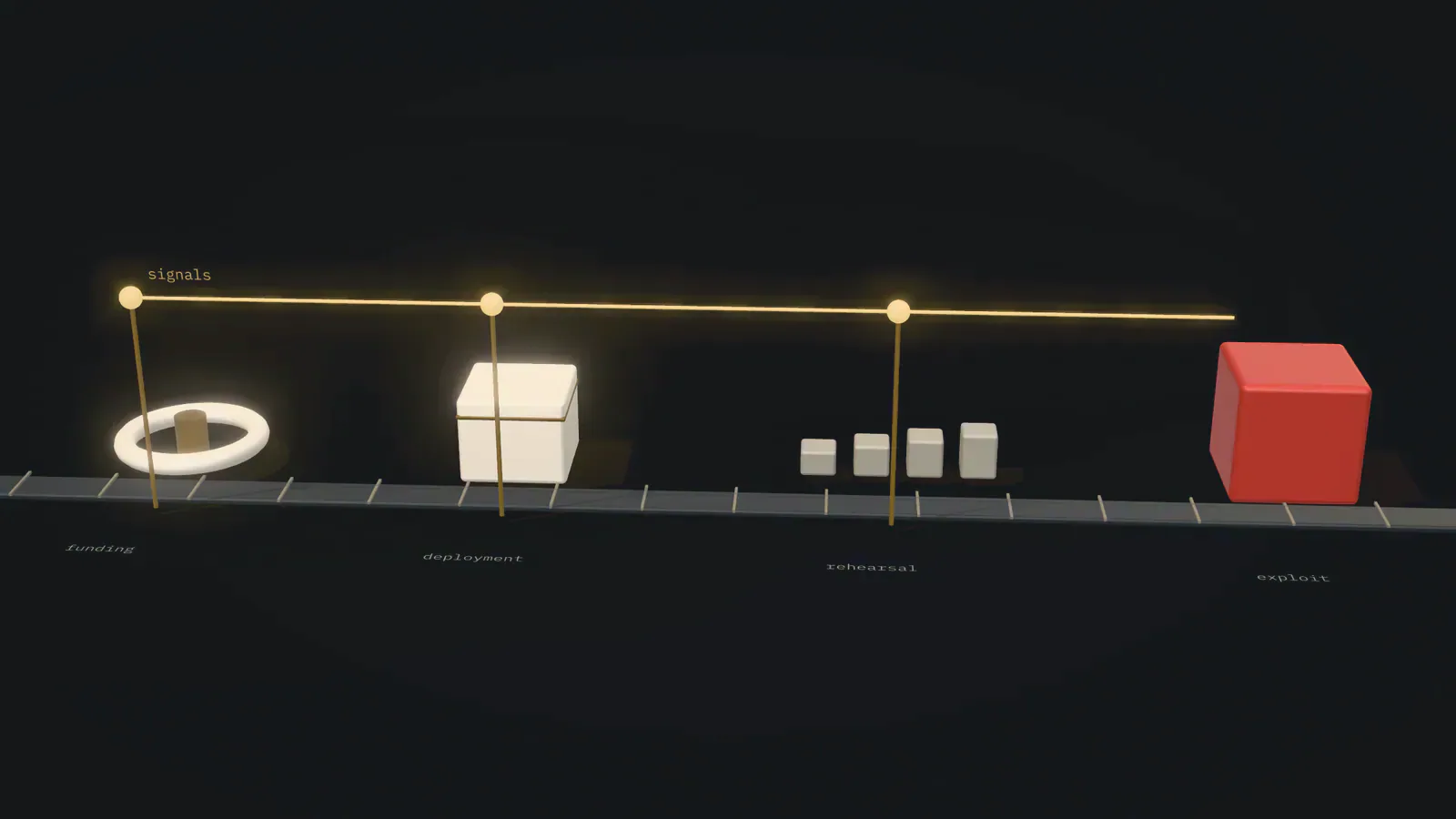
    Many exploits are preceded by preparation that is visible on-chain: funding, deployment, rehearsal. A structured look at the signals, how far each can be trusted, and how to turn them into detection rules.

    By Quantix Research, Threat Intelligence
  • PrimerDeFi Security6 min read

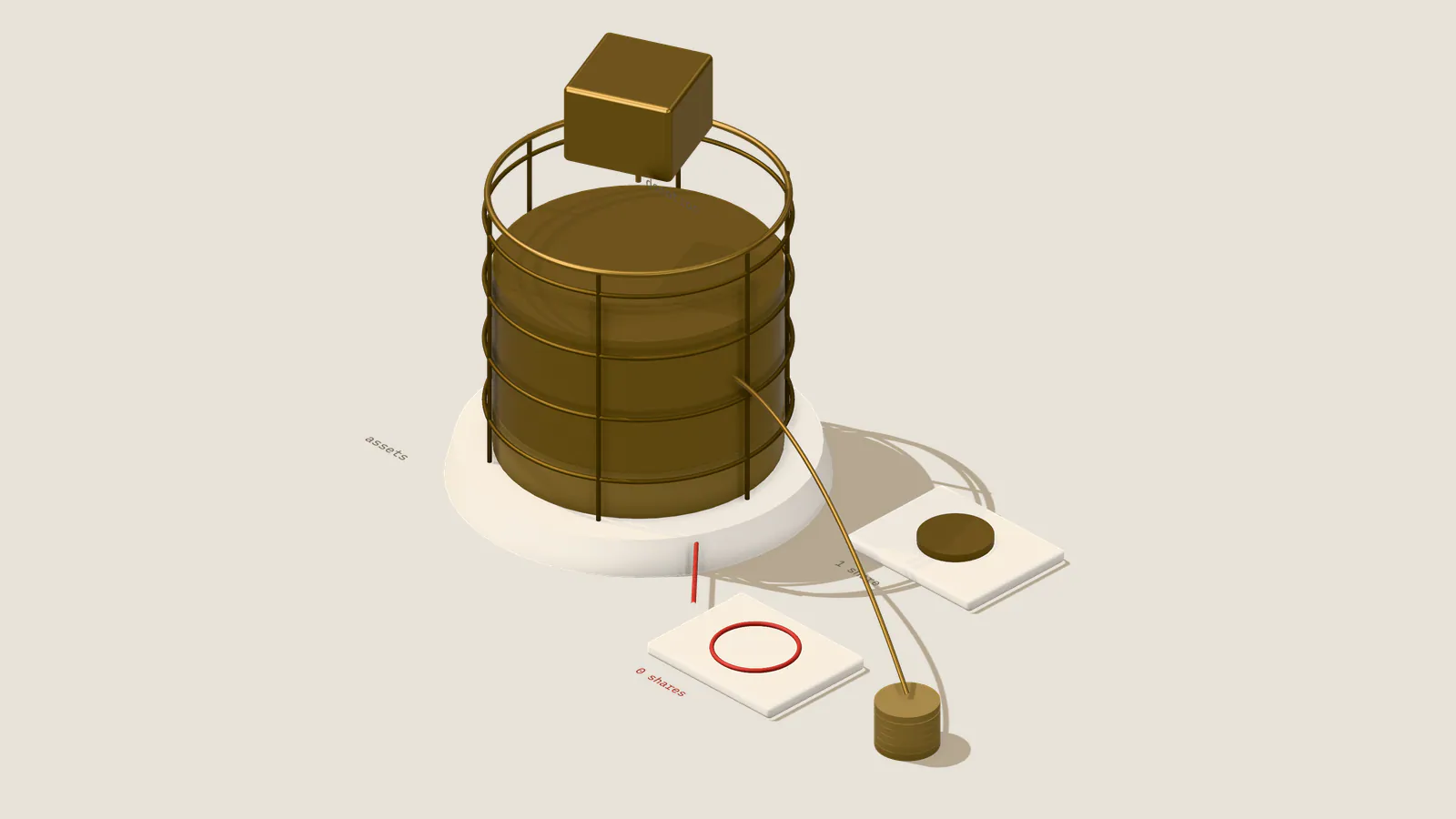
    ERC-4626 vault inflation attacks, and the defences that hold

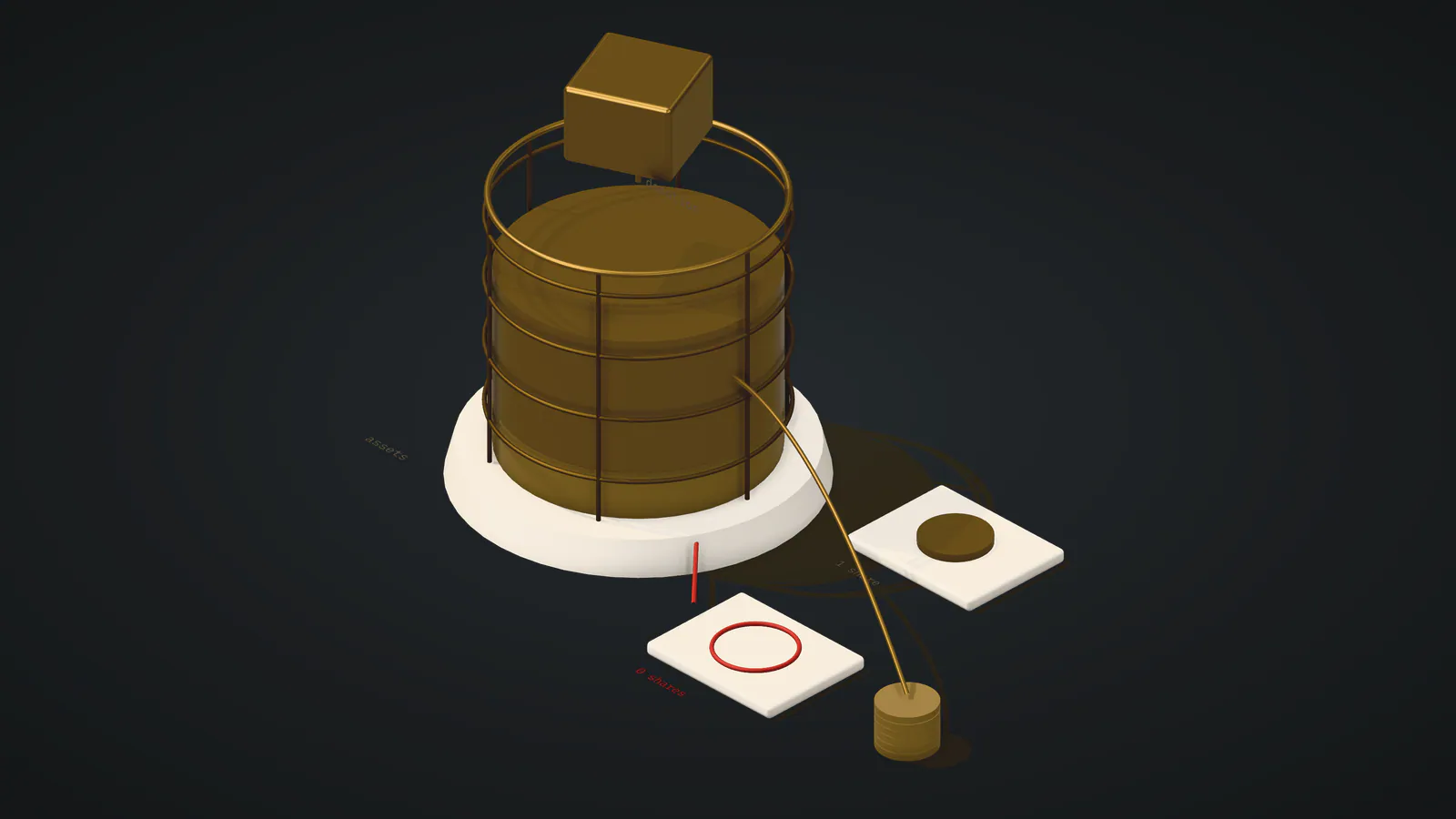
    An empty tokenised vault can be manipulated so that the next depositor receives no shares. Why the arithmetic allows it, and how virtual shares, dead shares and slippage checks close the gap.

    By Quantix Research, DeFi Security

  • PrimerSmart Contract Vulnerabilities8 min read

    Read-only reentrancy: when a view function tells the truth too early

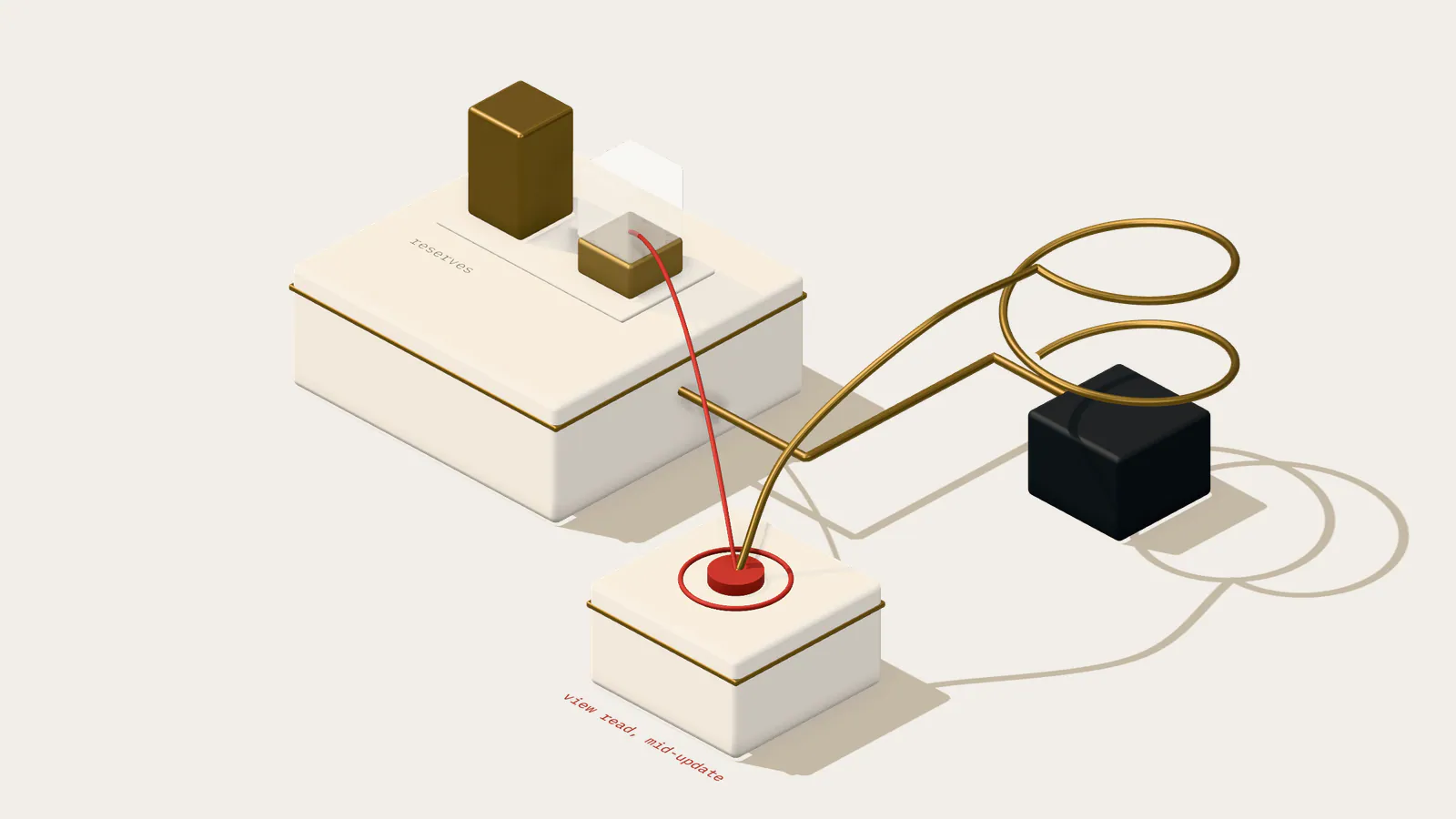
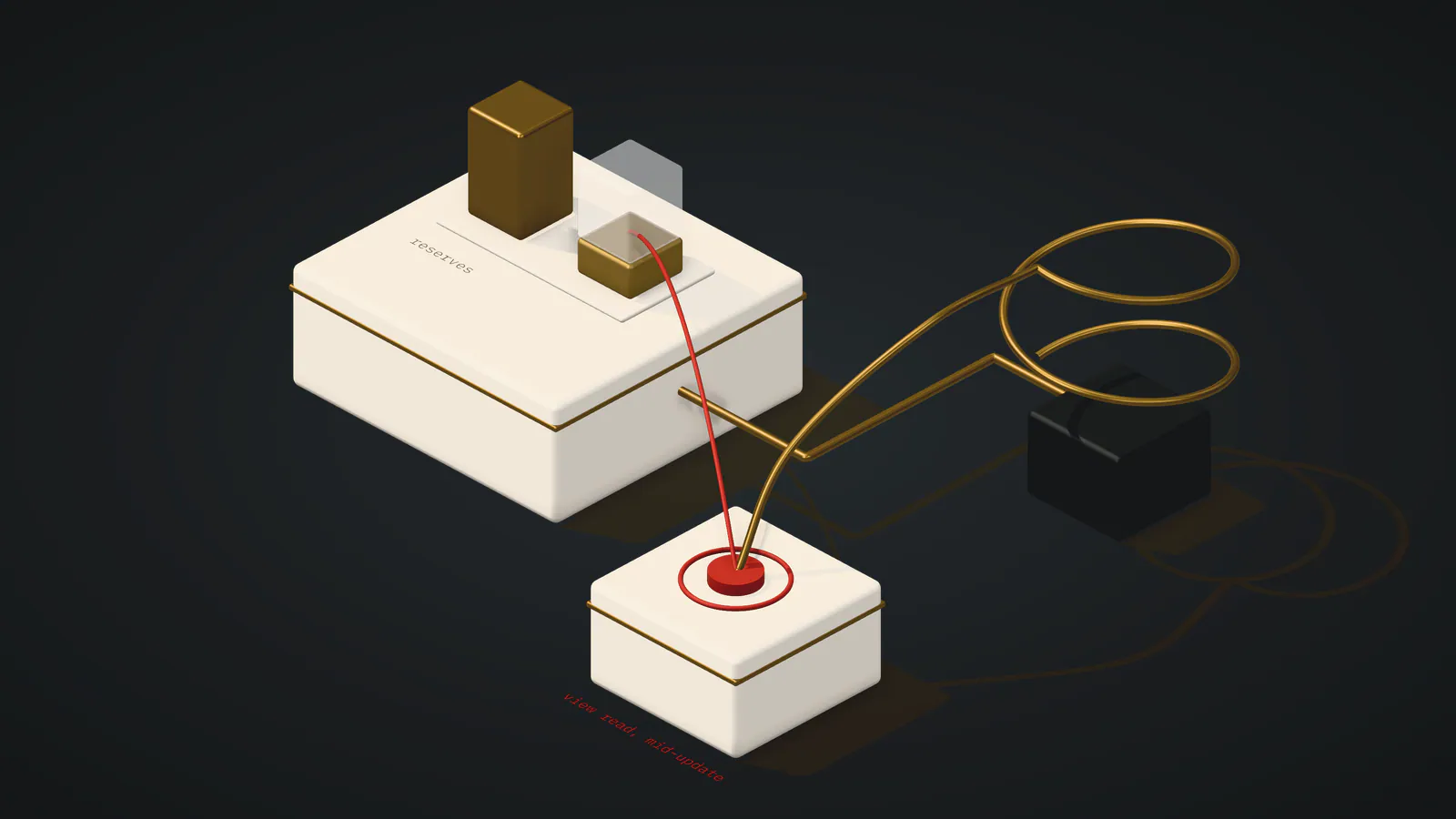
    A contract can be safe from classic reentrancy and still expose an inconsistent state to anyone who reads it mid-call. How the pattern works, and how integrators should defend against it.

    By Quantix Research, Smart Contract Security

  • Technical analysisIncident Analysis6 min read

    Anatomy of cross-chain bridge exploits

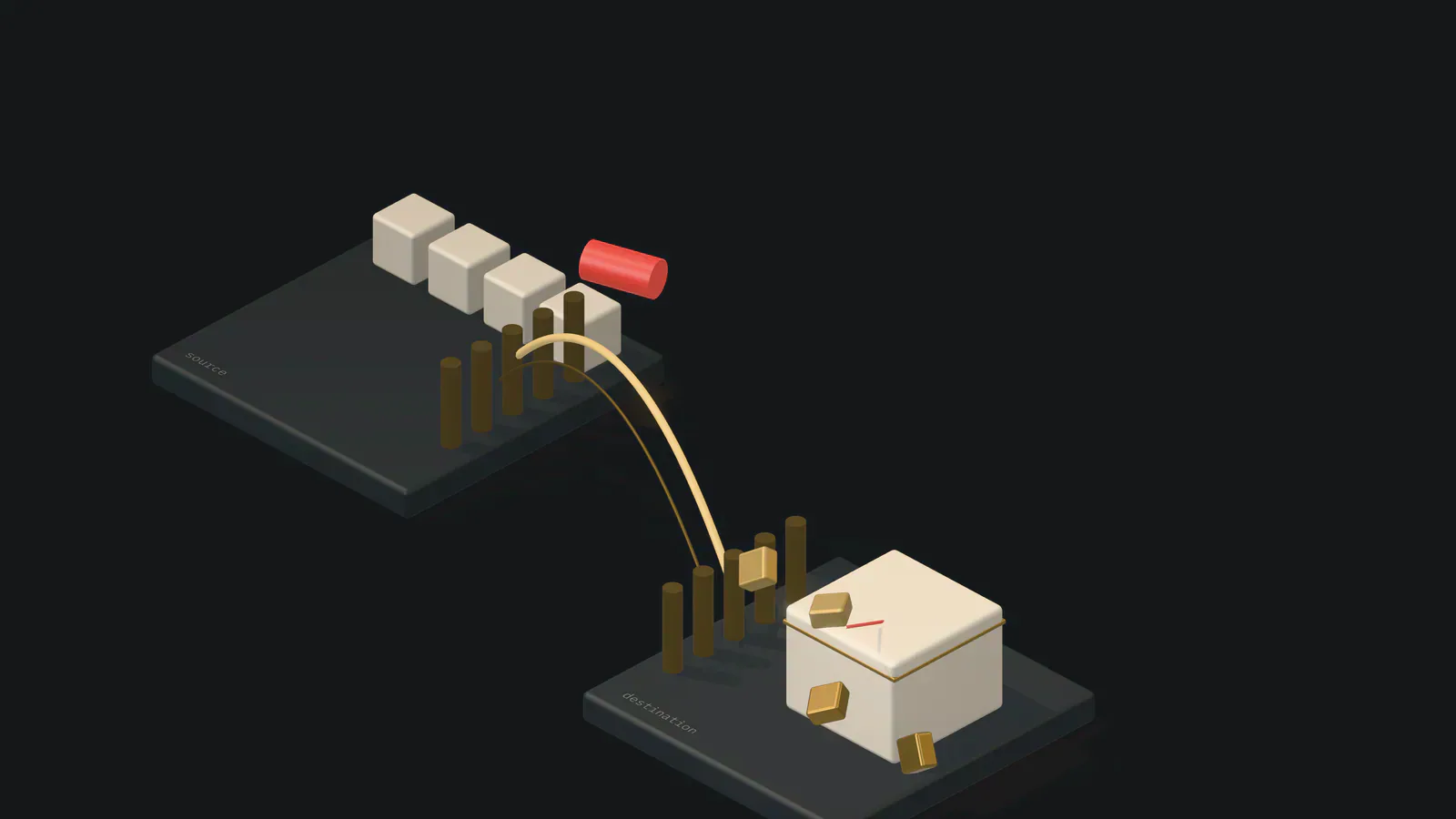
    Bridges concentrate value behind a verification step that most users never see. A taxonomy of how that step has failed in public incidents, from key compromise to forged proofs, and what each failure implies for design.

    By Quantix Research, Cross-Chain Security

  • PrimerSmart Contract Vulnerabilities7 min read

    Initializers, proxies and the contract nobody owns

    Upgradeable contracts move construction logic into ordinary functions. That small change creates a family of access-control failures that a constructor would never allow.

    By Quantix Research, Smart Contract Security

  • Technical analysisFormal Verification6 min read

    Formal verification in DeFi: what a proof buys you

    Provers can establish that a property holds in every reachable state. Whether that matters depends on which properties were written, what the model assumed, and what was left out. A practitioner’s map.

    By Quantix Research, Formal Methods

  • PrimerBlockchain Infrastructure7 min read

    Your RPC endpoint is part of your attack surface

    Frontends and backends trust the node they query. A review of what an untrusted or misconfigured RPC layer can do to an otherwise sound application.

    By Quantix Research, Infrastructure Security

  • PrimerCross-Chain Security6 min read

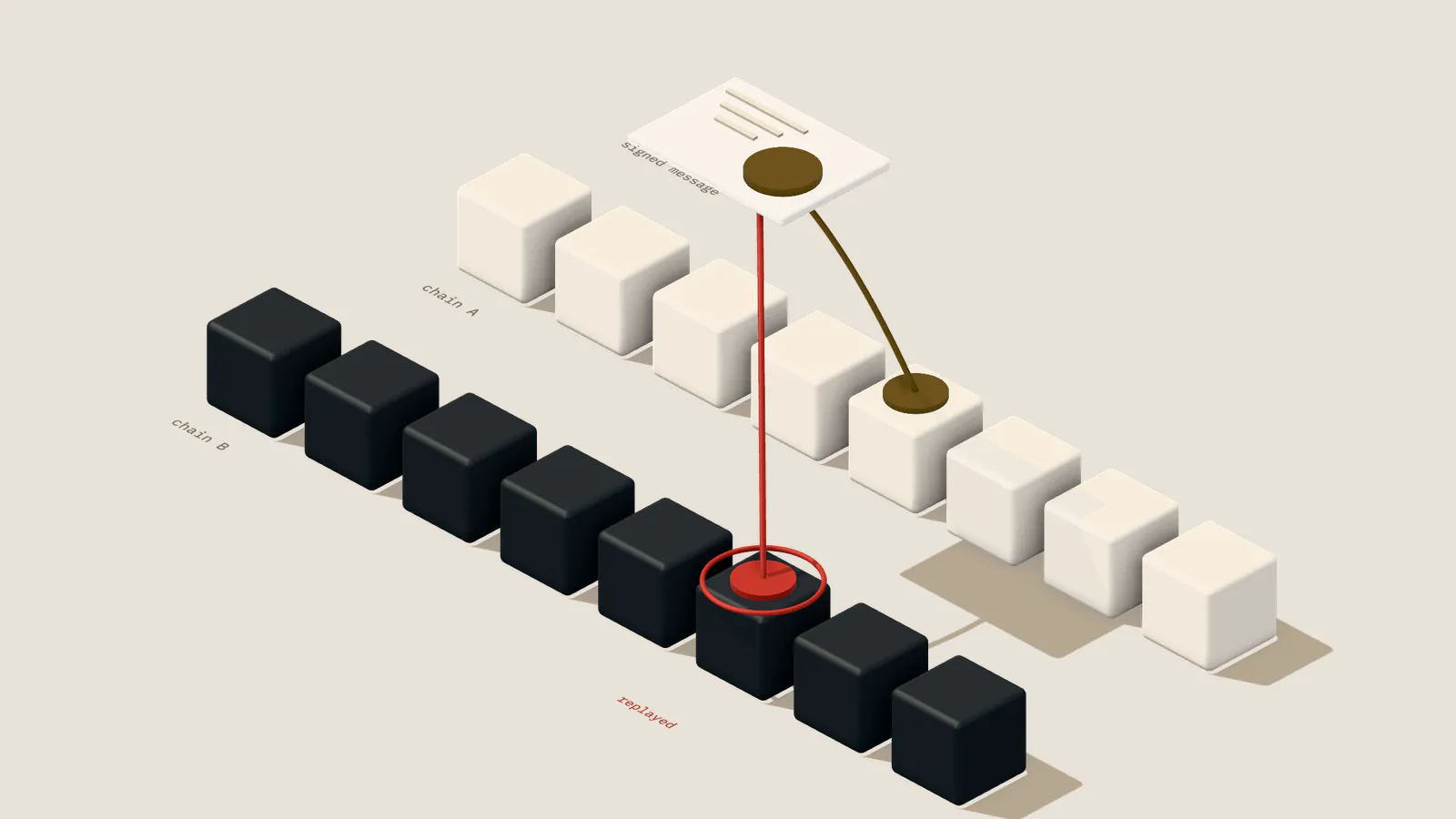
    Signature replay across EVM chains

    A signature proves that someone agreed to something. Unless the message says where and how often, it can be presented again on another chain, another contract or another day. The binding fields, and how they fail.

    By Quantix Research, Cross-Chain Security

  • Technical analysisBlockchain Infrastructure6 min read

    MEV and protocol risk

    Transaction ordering is a resource that someone will sell. How maximal extractable value reaches users through the block-building pipeline, and which protocol designs reduce what can be extracted.

    By Quantix Research, Infrastructure Security

  • PrimerSmart Contract Vulnerabilities7 min read

    Upgradeable proxy security: storage, selectors and the upgrade path

    A proxy splits a contract into the address users trust and the code that runs behind it. Every upgrade is a chance to break the agreement between the two. The failure modes, by layer.

    By Quantix Research, Smart Contract Security

  • PrimerFormal Verification7 min read

    Writing invariants that find bugs

    Fuzzers and provers are only as good as the properties they check. How to move from vague requirements to invariants precise enough to fail.

    By Quantix Research, Formal Methods

  • PrimerSmart Contract Vulnerabilities6 min read

    Solana program security: every account is an input

    Solana programs receive their state as a list of accounts chosen by the caller. Most serious bugs come from trusting that list. The checks every instruction needs, and how Anchor helps and where it does not.

    By Quantix Research, Smart Contract Security

  • Technical analysisDeFi Security6 min read

    Governance attacks in DeFi

    On-chain governance turns token balances into authority over code and treasuries. How that authority has been borrowed, bought, hidden in proposal payloads and routed around timelocks.

    By Quantix Research, DeFi Security

  • Technical analysisDeFi Security7 min read

    Understanding oracle manipulation: designs and their failure modes

    Spot prices, time-weighted averages, push feeds and pull feeds fail in different ways. A comparison of oracle designs, the assumptions each makes, and the checks a consuming contract must add.

    By Quantix Research, DeFi Security

  • PrimerSmart Contract Vulnerabilities6 min read

    The Move security model, and where it stops

    Move’s type system rules out whole classes of EVM bugs: resources cannot be copied or silently dropped. Capability leaks, generic confusion, arithmetic aborts and upgrade semantics remain. A review guide for Aptos and Sui.

    By Quantix Research, Smart Contract Security

  • PrimerFormal Verification6 min read

    Smart contract fuzzing techniques

    Coverage-guided and stateful fuzzers explore sequences of calls no reviewer would think to write. How they work, how to give them good inputs, and how to tell whether a green run means anything.

    By Quantix Research, Formal Methods

  • PrimerZero-Knowledge Systems6 min read

    Zero-knowledge circuit soundness: the under-constrained circuit

    A proof is only as strong as the constraints behind it. When a circuit computes a value without constraining it, a prover can choose a different one. How under-constrained circuits arise in Circom and how to find them.

    By Quantix Research, Zero-Knowledge Systems