








Skip to content
Quantix Security Labs

Blockchain security research and risk intelligence

Securing the Infrastructure of Digital Trust.

Advanced blockchain security research, smart contract auditing, formal verification and continuous risk intelligence for the next generation of decentralized systems.

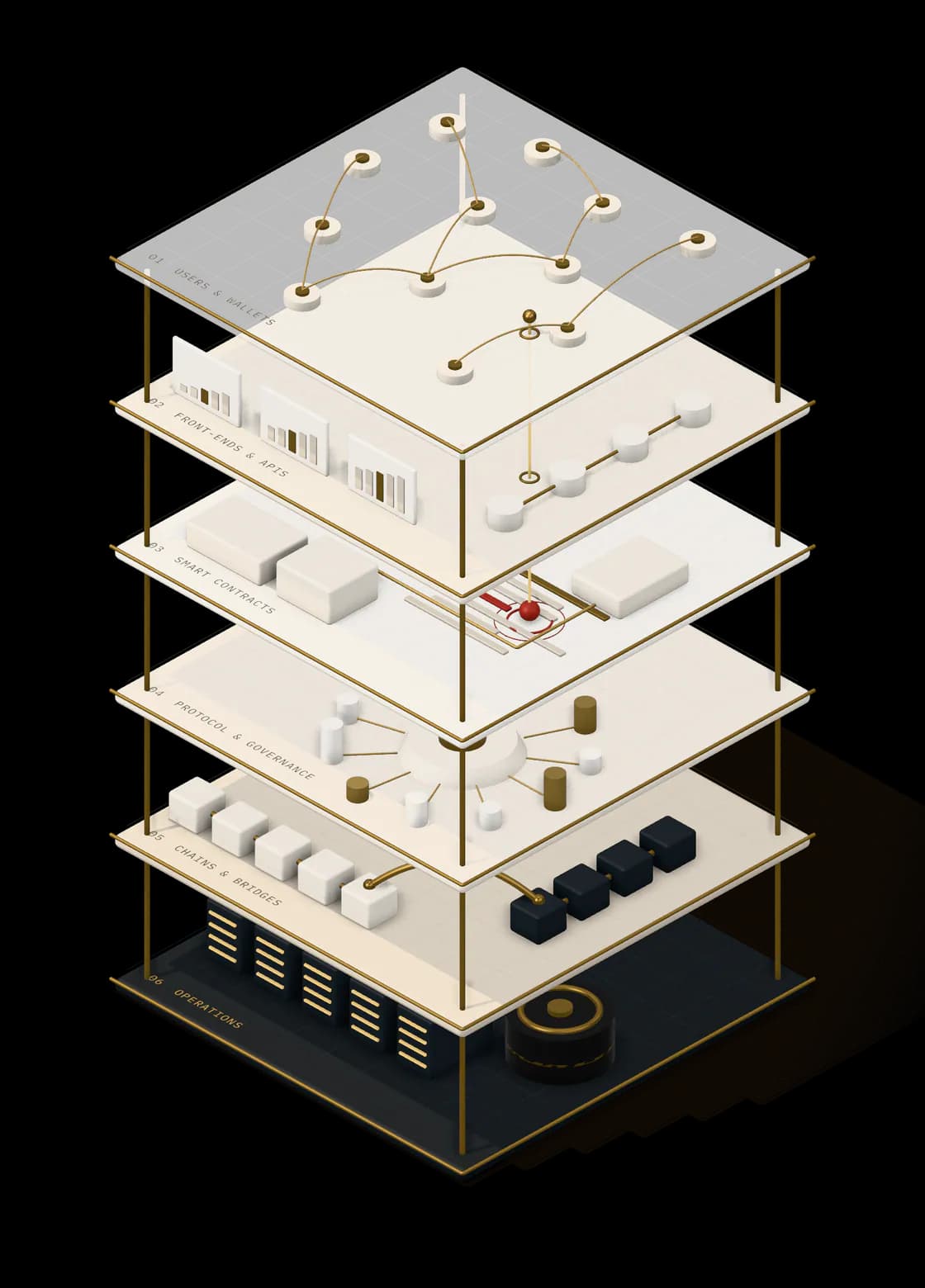
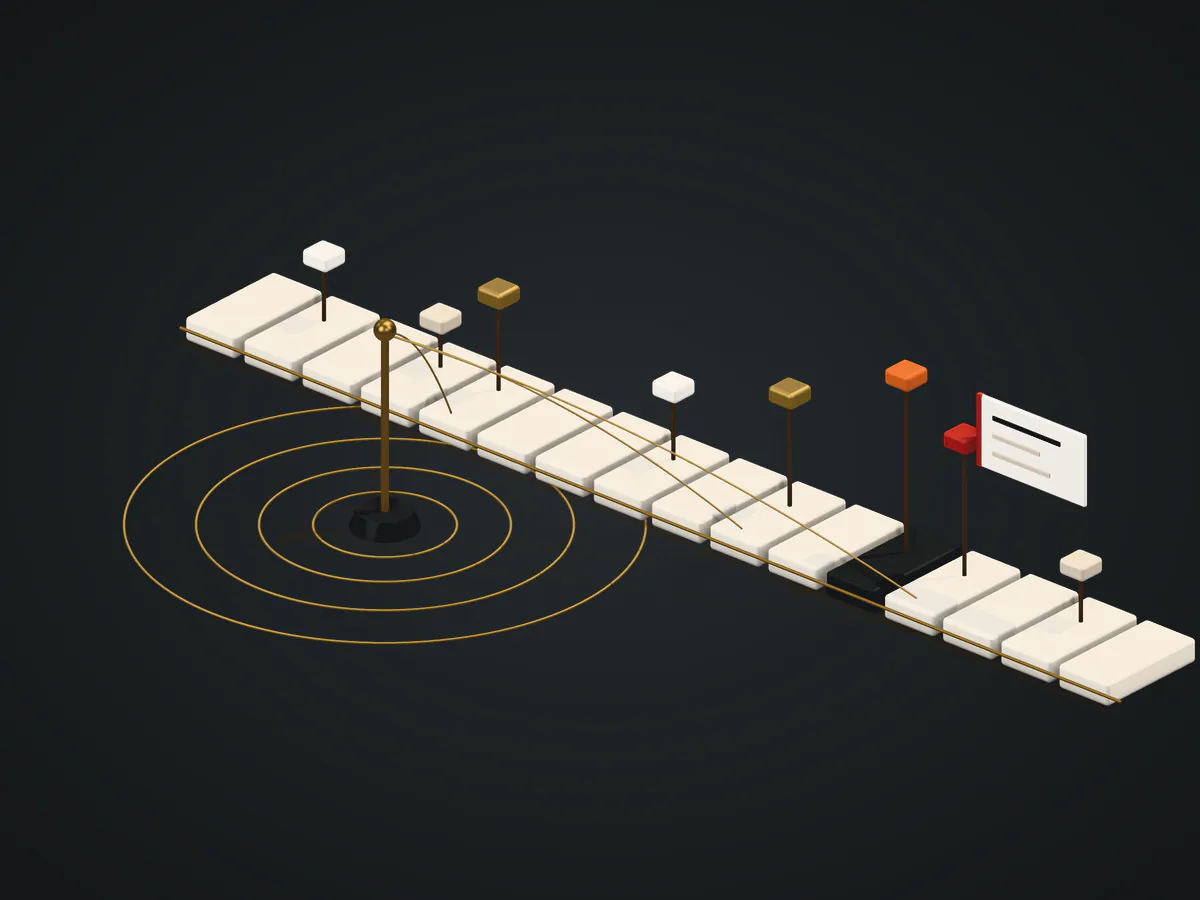
Isometric illustration of the six layers of a blockchain system — users and wallets, front-ends and APIs, smart contracts, protocol and governance, chains and bridges, operations — with an inspection probe reaching a critical finding in the contract layer.

Blockchain security architecture

Six layers where decentralised systems fail, and where Quantix looks.

Layer 3 of 6

Smart contracts

On-chain code that holds value and enforces the protocol’s rules.

Quantix coverage

Security intelligence

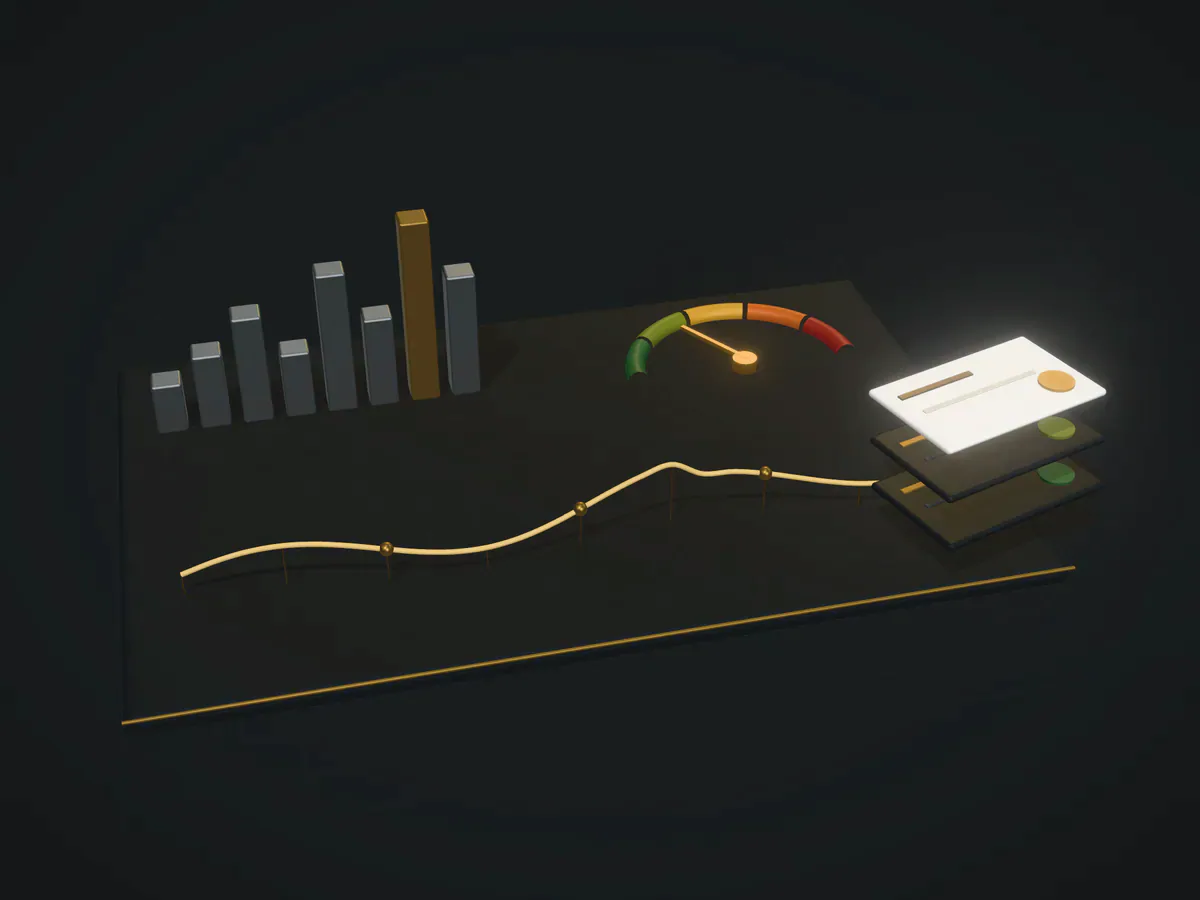
Risk scores, findings and events, in one view.

Protocol scores, security events and assessment findings across Quantix Intelligence coverage, side by side. Change the period or ecosystem below and every panel recomputes.

Security Intelligence Overview

Quantix Intelligence coverage, data through October 2026

Protocol Security Index

76.1BBB

Mean Quantix Risk Index

Protocols in scope

30

12 with research assessments

Research assessments

12

Completed in the last 12 months

Security findings

90

5 critical, 21 high in period

Remediation progress

87%

Resolved or accepted, all findings

Risk distribution

Protocols by risk tier; select a tier to list them

30protocols

Threat classification

Findings by vulnerability class in the period

  • Business logic17
  • Code quality9
  • Denial of service9
  • Access control8
  • Precision and rounding8
  • Governance manipulation6
  • Key management5
  • Signature replay5

Ecosystem coverage

Protocols per ecosystem; select to filter

Security findings by severity

Reported per month, by assessment completion

CriticalHighMediumLowInformational
010203040NovJanMarMayJulSept
Findings by severity per month
CategoryCriticalHighMediumLowInformational
Nov00000
Dec01321
Jan11421
Feb02321
Mar00000
Apr02211
May11220
Jun00000
Jul00000
Aug281175
Sept04522
Oct12311

Assessment activity

Research assessments completed per month

01234NovJanMarMayJulSept
Research assessments completed per month
CategoryAssessments
Nov0
Dec1
Jan1
Feb1
Mar0
Apr1
May1
Jun0
Jul0
Aug4
Sept2
Oct1

Remediation progress by severity

  • Critical5
  • High21
  • Medium33
  • Low19
  • Informational12

ResolvedAcknowledgedPartially resolvedOpen

Every figure is computed from Quantix Protocol Research.Open Quantix Intelligence

ArchiveQuantix Protocol Research, as of 24 October 2026About this dataProtocol analytics from connected data

Platform

Six ways into the same evidence.

Audits, intelligence, monitoring, forensics, assessments and research share one data model, so a finding in one place is visible in the others.

Security capabilities

Nine disciplines, one standard of evidence.

From the first line of contract code to the last hop of a laundering path, each capability examines a different layer of the same system.

Trust & methodology

Evidence you can check, methods you can follow.

Every engagement follows the same seven stages and ends in a written record. Methods are mapped to public standards so reviewers can trace them; alignment is stated, certification is not claimed.

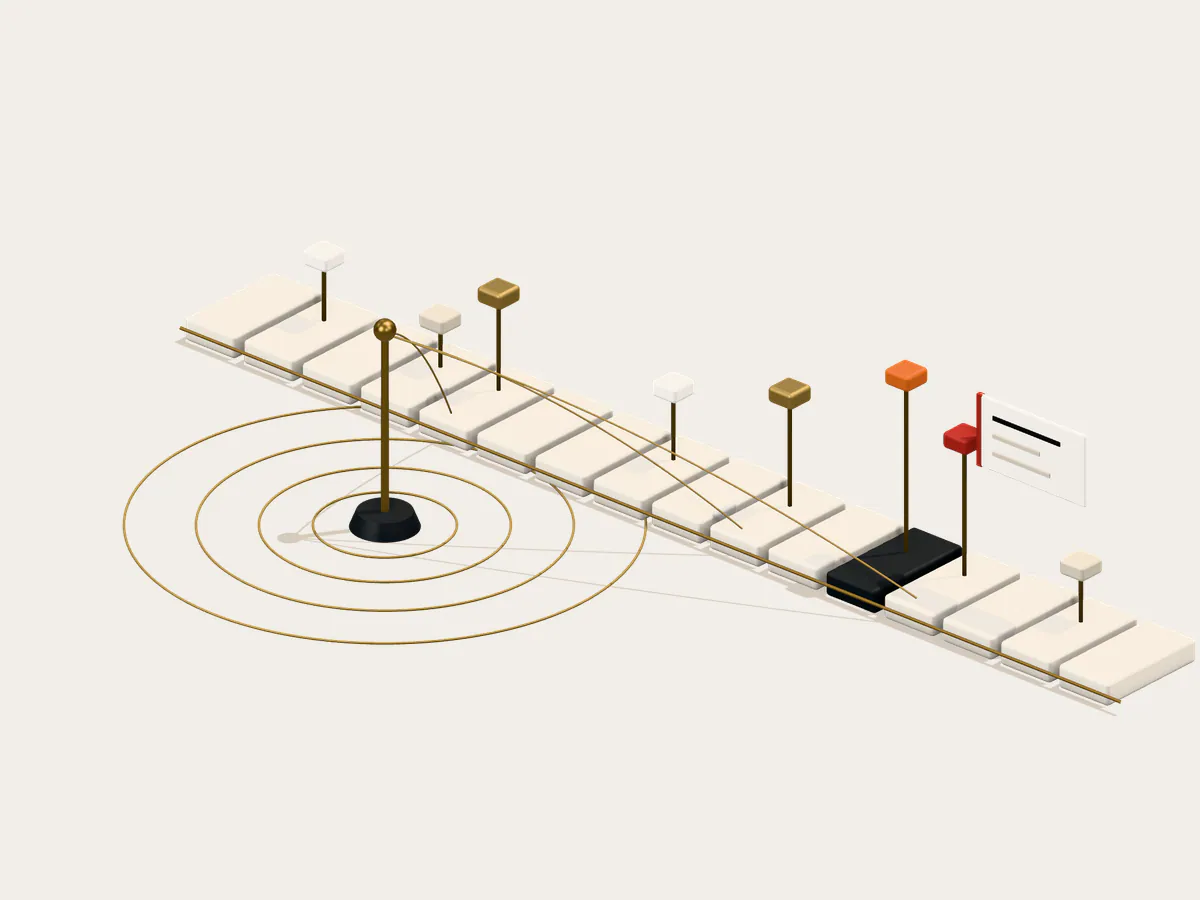
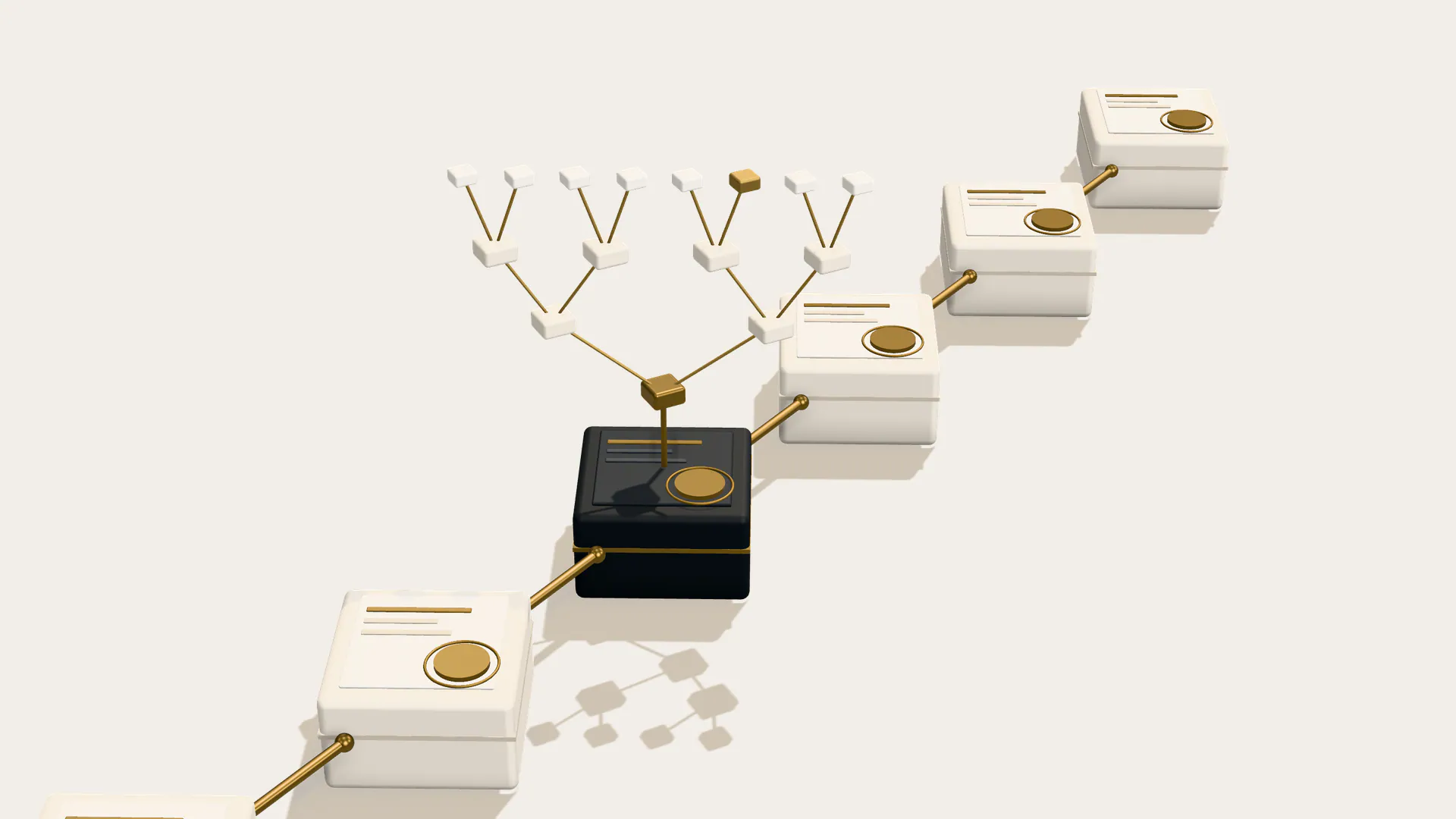
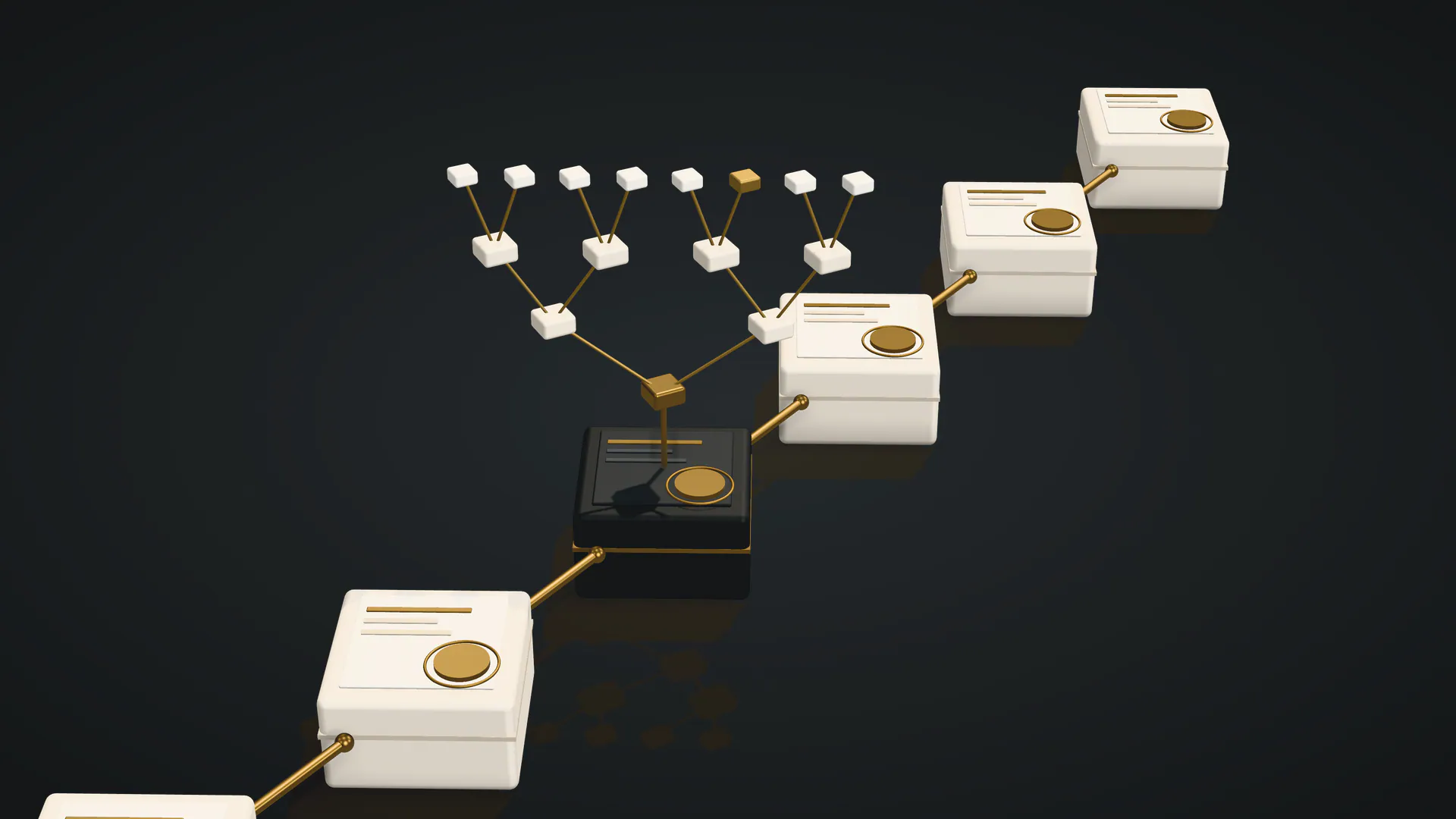
A chain of sealed ledger blocks linked by brass pointers, with the Merkle tree of one finalised block rising above it.

Security methodology

The assessment process, from scope to final report.

  1. 1Scoping and threat modelingWe agree exactly what will be reviewed, at which commit, and against which threats.
  2. 2Architecture and code reviewReviewers read the system end to end: first its architecture and invariants, then every in-scope line, with at least two reviewers covering each critical component.
  3. 3Automated and manual analysisTooling widens coverage; people decide what matters.
  4. 4Vulnerability validationA suspected issue becomes a finding only once it is demonstrated or rigorously argued.
  5. 5Findings and remediation guidanceFindings are delivered as they are confirmed, each with a precise description, its impact, and a recommended fix that fits the codebase as written.
  6. 6Follow-up verificationWe review the fixes themselves, not just the diff that claims to fix them, and check that remediation did not introduce new issues.
  7. 7Final reportingThe final report states what was reviewed, how, what was found, what was fixed, and what the assessment could not cover.
Read the methodology

Supported ecosystems

Technical coverage, not partnerships.

  • ETHEthereum
  • SOLSolana
  • BNBBNB Chain
  • ARBArbitrum
  • OPOptimism
  • BASEBase
  • POLPolygon
  • AVAXAvalanche
  • APTAptos
  • SUISui
  • ATOMCosmos

Ecosystem coverage

Eleven ecosystems, each with its own failure modes.

Execution environments differ in how accounts, signatures, upgrades and messages work. Assessment methods and monitoring rules follow those differences.

Ethereum

Layer 1, proof of stake

Protocols covered
9
Assessed
5
Avg. index
80.7
Programming languages
  • Solidity
  • Vyper
  • Yul
Supported standards
  • ERC-20
  • ERC-721
  • ERC-1155
  • ERC-4626
  • EIP-2612
  • EIP-712
  • ERC-1967
  • ERC-4337
Typical vulnerabilities
  • Reentrancy, including read-only reentrancy
  • Oracle and spot-price manipulation
  • Access control on privileged functions
  • Proxy storage collisions and initializer misuse
  • Signature replay across chains and contracts
  • Front-running and MEV exposure
Assessment methodologies
  • Line-by-line manual review
  • Invariant fuzzing (Foundry, Echidna)
  • Symbolic execution and formal verification
  • Economic attack modelling
Monitoring capabilities
  • Proxy admin and implementation changes
  • Governance proposals and timelock queues
  • Large transfers and treasury outflows
  • Oracle deviation against reference feeds

Listed to describe technical specialisation. It does not indicate a partnership with the network or its foundation.

Ethereum protocols in the explorer

Our approach

Security is not a one‑time checkpoint. It is a continuous engineering discipline.

An assessment describes a system at one commit. Protocols keep changing after that day, so research, verification, remediation and monitoring feed one another in a loop.

Security starts with the code that ships, read line by line before release rather than after an exploit. Every in-scope line is reviewed and the assumptions it encodes are tested.

Research & intelligence

Writing on how decentralised systems fail, and how to stop them.

Publications from Quantix research units across nine areas, connected to the case studies, assessments and intelligence that apply them.

Technical analysis · Threat Intelligence

Detecting suspicious on-chain behaviour before the exploit transaction

Many exploits are preceded by preparation that is visible on-chain: funding, deployment, rehearsal. A structured look at the signals, how far each can be trusted, and how to turn them into detection rules.

Threat Intelligence8 min read
Most frequent finding classes

Across all Quantix research assessments

  • Business logic17
  • Code quality9
  • Denial of service9
  • Access control8
  • Precision and rounding8
  • Governance manipulation6

Security Is a Continuous Process. Build With Confidence.

Share the system you are building, where it runs and when it ships. The first output of every engagement is a written scope you can hold us to.